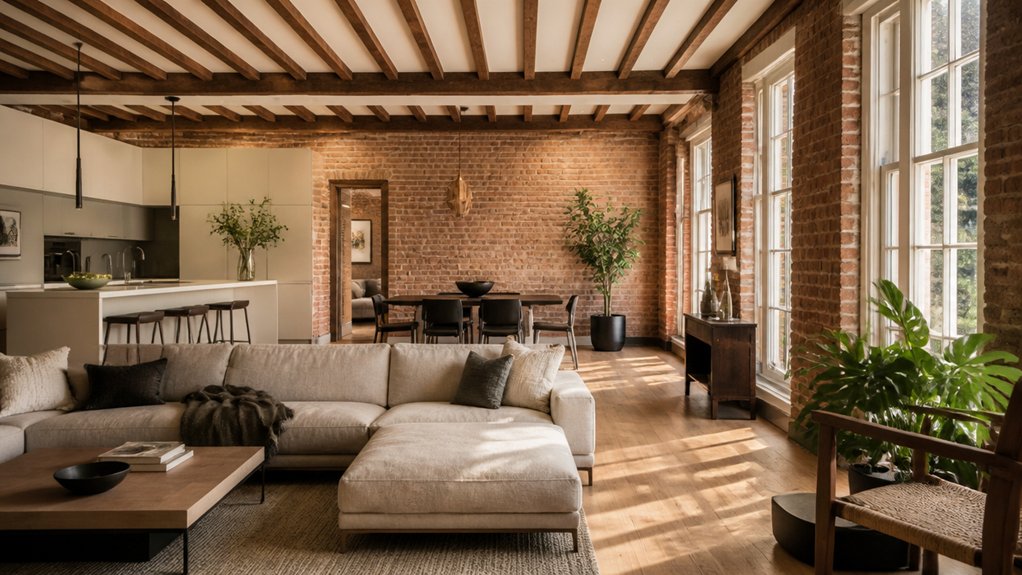
Start by checking each room and inspecting the roof, structure, wiring, plumbing, heating and ventilation. Look for leaks, damp, unsafe wiring and signs of movement; deal with these before cosmetic work, as covering them up can lead to more damage and expense.
Set a budget that allows for permits and unexpected repairs. Before work begins, check with your local building department about permits and applicable requirements. Keep original features where you can, and weigh the benefits of changing the layout against the cost and loss of character. Use qualified specialists for critical systems and moisture-sensitive work, and agree how the work will be sequenced. Careful planning, suitable materials and practical finishes can improve comfort while preserving the property’s character.
Key Takeaways
Start by inspecting each room and the main systems, noting defects, past repairs and how you need the layout to work. Look for signs of movement, damp, leaks, unsafe wiring and poor ventilation; bring in qualified specialists where a problem is hazardous or beyond your knowledge.
Set a budget that covers labour, materials, permits and a reserve for repairs uncovered once work begins. Ask for itemised estimates so you can compare what is included, and check permit requirements with your local building department before starting.
Deal with safety and structural problems, then electrical, plumbing, heating, damp and leaks, before spending on comfort or appearance. Keep sound original features where practical, and choose materials and changes in scale with the house rather than forcing in finishes that look out of place.
Improve insulation, airtightness, windows and ventilation in a planned sequence. Tighter construction can reduce draughts, but without suitable ventilation and moisture-aware materials it can trap damp; monitor indoor humidity as the work progresses.
Assess Your Older Property Before You Renovate
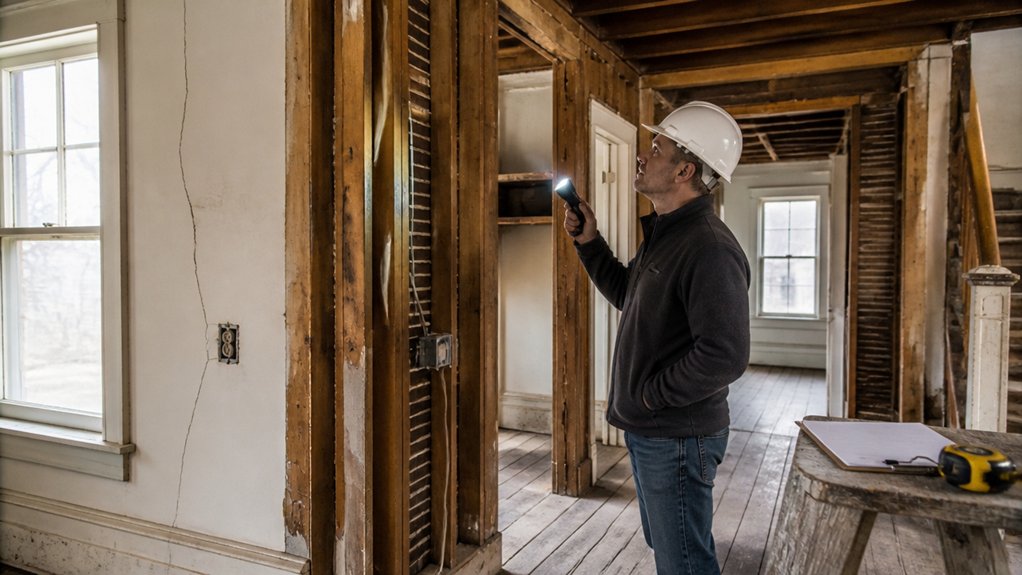
Before choosing finishes or fixtures, work out how the house functions and where it lets you down. Walk through each room and note how you use it, where movement feels awkward, and where you need more light, storage or privacy. Check the roof, foundation, walls, plumbing, wiring, heating and ventilation for wear or signs of failure.
Don’t judge by appearances alone. Damp patches, cracks, uneven floors and electrical circuits that trip often can point to deeper trouble. Review maintenance records, take photographs and write down what you find.
Have qualified inspectors assess systems you can’t check safely or confidently. Ask what needs attention now, what can wait and whether a defect needs a specialist. Their findings can help you weigh urgent repairs against cosmetic work and plan around the way the home’s structure and systems affect daily comfort.
Set a Budget and Plan the Renovation
Set a realistic budget for labour, materials, permits and a contingency for unexpected repairs. Costs can change with the condition of the house, access to the work area and the materials you choose, so get clear estimates and check what each one includes.
Plan the work in order: deal with safety and structural issues first, then prioritise the improvements that matter most to you. Check permit requirements with your local building department before work begins. A clear plan helps you manage costs and keep the renovation moving.
Establish a Realistic Budget
A realistic budget turns an older-home renovation from a wish list into a workable plan. List the likely costs, including design, permits, materials, labour, temporary accommodation and waste removal, then get written estimates from qualified professionals. Ask what each estimate leaves out, and check local permit requirements and fees with your building department.
Treat early estimates as a starting point, not a guarantee. Older homes can hide outdated wiring, leaks or structural damage, and costs can also change with material choices, delivery charges and the amount of finishing work needed. Set aside a contingency based on the condition of the property and the uncertainty in the estimates, so unexpected work doesn’t force you into expensive borrowing or cuts to essential repairs.
Check that estimates account for taxes, delivery and finishing costs, and verify insurance requirements before work begins. Keep a record of quotes and spending, compare them with your limit, and review the figures as the scope becomes clearer. Adjust your assumptions before committing rather than relying on costs that haven’t been confirmed.
Prioritize Renovation Projects
Once you’ve set your budget, put safety and urgent repairs first, then consider comfort and long-term value. Check the wiring, plumbing, structure and heating system for problems. Deal with leaks and damp before fitting new finishes; otherwise, water can damage the work and lead to more repairs.
Next, consider upgrades such as insulation, windows and ventilation. Group related jobs where you can, so tradespeople don’t have to undo finished work or charge for the same preparation twice. Ask contractors what needs doing first and what can wait.
Treat optional work, such as smart-home equipment or renewable energy, as a later priority if the basic systems aren’t reliable. Get written quotes, check whether permits are needed with your local building department, and set aside money for hidden problems, especially in older homes. Phase the work to keep the house safe and liveable, and review your priorities if costs change. Keep funds available for urgent repairs.
Protect Original Features While Updating the Layout
Before changing an older home, note what gives it character: original floors, mouldings, doors, fireplaces and distinctive windows. Photograph each feature and check for damage, loose parts and previous repairs. Decide what to keep before you plan the new layout; once original details are removed, they can be difficult or impossible to replace.
Preservation doesn’t mean leaving the house untouched. To improve the flow, consider widening an existing opening, putting an underused room to work or connecting spaces while keeping defining features intact. Each option has trade-offs: removing or altering walls can affect structure and may disturb original finishes, so ask an architect experienced with older homes what can be changed safely and what should stay.
Keep new work in scale with the house and choose materials that sit comfortably alongside the old ones. A subtle contrast is often better than a poor imitation of traditional craftsmanship. With a careful plan, you can make rooms brighter and more useful without losing details that give the home its character.
Upgrade Older Homes’ Wiring, Plumbing, and Heating
Before settling your renovation plans, ask a qualified electrician to check whether the wiring is safe and can handle the demands of modern appliances.
Have a plumber and heating specialist inspect ageing pipes and equipment too; leaks, poor performance and breakdowns can lead to more costly work if left until later.
Replacing everything at once may cost more upfront, so ask what needs attention now and what can safely wait.
Check with your local building department about permits and applicable requirements.
Modernize Electrical Wiring
Have the electrical system checked before covering walls or ceilings with new finishes. An electrician should inspect the wiring, panel, outlets and grounding, looking for deteriorated insulation, overloaded circuits and ungrounded receptacles. Old wiring can still be unsafe even when the lights and appliances work.
Ask a qualified, licensed electrician what circuit capacity your household needs now and may need later. They can advise on ground-fault and arc-fault protection, replace damaged components, and explain which permits and inspections apply. Check requirements with your local building department, and have the panel clearly labelled so you can shut off the right circuit in an emergency.
Rewiring can disrupt renovation work, but doing it before cosmetic upgrades avoids opening finished walls later. Get written estimates that spell out the work, materials and any likely repairs, and confirm the completed work meets local requirements.
Upgrade Plumbing and Heating
Old plumbing and heating can waste energy, leak or fail with little warning. Before walls and floors are closed up, have a licensed professional inspect the system and give you a clear report on pipe condition, water pressure, boiler or furnace performance, and ventilation.
Replace corroded pipes, deal with outdated materials and fit shutoff valves where they’ll be easy to reach. Insulating hot-water lines helps limit heat loss; efficient fixtures can reduce water use, though check that they still provide the flow and comfort you need.
For heating, compare the cost and likely lifespan of repairing the existing system with installing a modern unit sized for your home. Better controls, such as programmable or smart thermostats, can improve day-to-day use, while sealing ducts or pipes helps prevent wasted heat. Ask whether ventilation needs attention or radiators need balancing to warm rooms evenly.
Before work starts, confirm what permits and inspections apply with your local building department. Get the installation details and warranty terms in writing, and keep the inspection report and paperwork for future maintenance.
Improve Energy Efficiency Without Losing Character
You can make an older home more efficient without losing its character by starting with draughts. Check around windows and doors, between floorboards, and where pipes or cables pass through walls and floors. Seal gaps carefully so you reduce cold air without covering or damaging original details.
Choose insulation to suit the way the house is built. Insulating the loft and accessible floors is often a sensible place to start, but have a specialist assess wall insulation first. If the wrong materials trap moisture, they can damage walls and other historic fabric.
Keep original windows where they’re sound enough to repair, and consider discreet draught-proofing before replacing them. Heavy curtains and well-fitted shutters can reduce heat loss while keeping period features. The trade-off is that these measures may not perform like new windows, but they avoid losing original materials and character.
Make improvements in stages and keep an eye on indoor humidity afterwards. Ask a building professional with experience in older homes how to balance airtightness, ventilation and moisture control. That helps reduce energy use while protecting the building’s history.
Choose Finishes That Bring Old and New Together
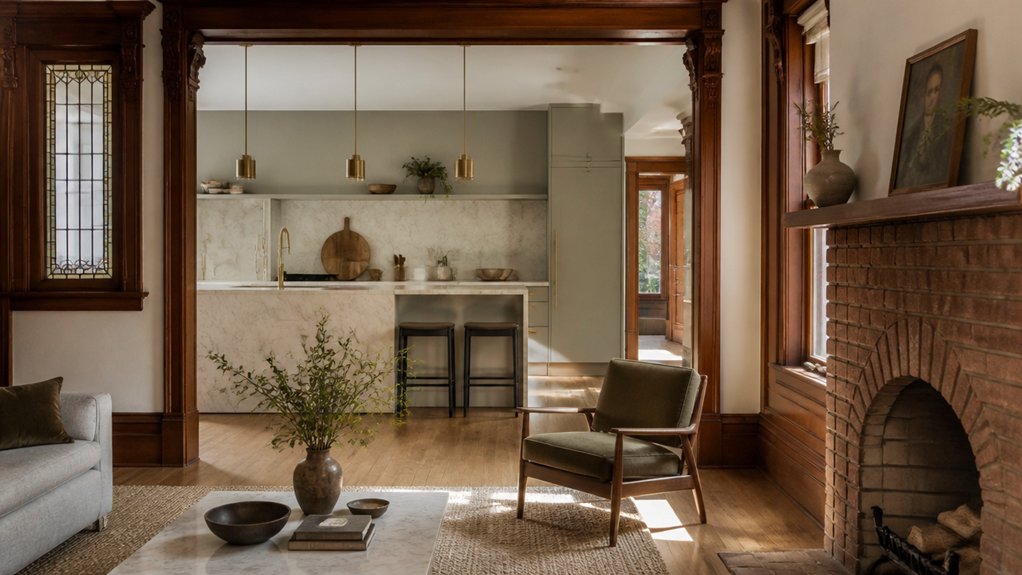
Let the original features guide your choice of colours and materials. Look at the warmth and texture of exposed timber, brick or stone, then choose finishes that sit well alongside them. Add contemporary accents in small doses; too many can make the older features feel out of place.
Match patterns and sheen to the room’s architecture. Choose florals or geometrics that pick up on details such as a tile shape or carved moulding, and keep bold patterns to one limited area so they don’t compete with original features. Matte paint can help disguise uneven plaster, while gloss brings out trim details and is easier to wipe clean. Both have trade-offs: check how each finish looks beside the existing materials in daylight and under evening lighting before you decide.
Frequently Asked Questions
Do I Need Planning Permission to Renovate an Older Property?
You may not need planning permission for straightforward repairs or cosmetic updates, but extensions, major structural changes, listed properties and work in protected areas can need approval. Before starting, ask your local building department which planning approvals, permits and safety rules apply. If the property has historic features, check what can be altered without damaging its character.
Arrange asbestos testing before disturbing older materials, and check that your insurance covers the renovation. Ask contractors about their relevant experience, qualifications and insurance, and use specialists where the work calls for them. Plan where you’ll stay during disruptive work, and weigh energy-efficiency improvements against the cost of installation and the effect they may have on the property’s original features.
How Do I Choose a Contractor Experienced With Older Homes?
Choose a contractor who’s worked on homes of a similar age and construction. Ask for references, look at finished projects, and speak with past clients about the workmanship, communication and any unexpected repairs. Older homes can hide problems, so ask how the contractor handles discoveries that change the scope or cost.
Check the contractor’s credentials, insurance and any licences required locally before you sign. Ask for a written estimate that separates labour, materials and contingency allowances, and explains what could affect the final cost. Confirm who’ll manage the work, how changes are agreed and recorded, and when payments are due. Compare what each proposal includes, not just the total price.
Should I Move Out During the Renovation?
Move out if the work involves structural changes, hazardous materials, or rooms you rely on every day.
Renovation dust can spread beyond the work area, so ask how your contractor will seal it off, control dust and keep safe access through the house.
For a small, contained job, staying may be practical if those controls are in place.
Weigh the disruption against the cost and hassle of temporary housing, and ask your contractor for a realistic schedule before you decide.
How Can I Check Whether an Older Home Contains Asbestos?
You can’t tell whether a material contains asbestos just by looking at it. If your older home has suspect insulation, tiles, siding or textured coatings, leave them undisturbed; cutting, sanding or breaking them can release fibres.
Have a licensed asbestos inspector take samples and arrange analysis by an accredited laboratory.
Before renovation work starts, ask your contractor to review the report and follow local requirements for removal or containment.
Check with your local building department about applicable rules.
What Insurance Should I Have During a Renovation?
Before renovation work starts, check that you have suitable builder’s risk cover, contractor liability protection and enough homeowners insurance. A leak can damage several rooms, so review your limits and ask your insurer whether your policy excludes an empty home, structural changes or damage caused by a contractor. If it does, ask what endorsements are available and weigh the added cover against the cost.
Ask each contractor for current certificates showing liability and workers’ compensation cover, and confirm the details with the insurer if anything is unclear. Older homes can have additional risks, so assess the property and the planned work before choosing cover. The right policy depends on the project’s hazards and your budget.