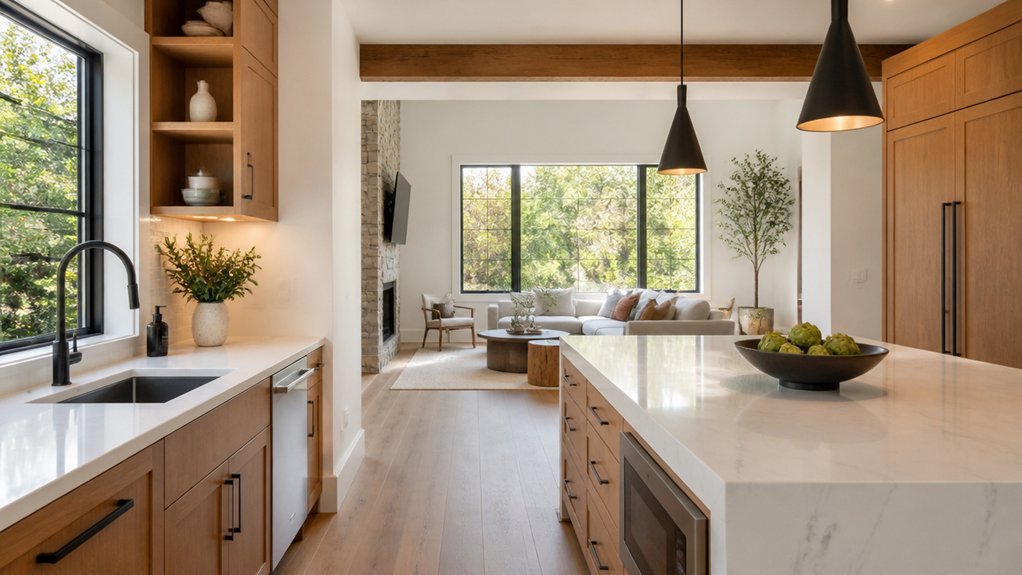
We get asked what are the high-impact renovation ideas that we can advise customers to put into place. let’s break this down a little.
Start with defects that can cause expensive damage. Check the roof for leaks or worn areas, make sure water drains away from the house, and have faulty electrics assessed before spending on cosmetic work. Ask what needs repairing now and what can safely wait.
Then consider practical upgrades, such as a kitchen layout that works better, updated bathroom fixtures, durable finishes and energy-efficient appliances. Sealing draughts and filling insulation gaps can improve comfort, while clear walkways and useful storage help rooms feel less cramped. Set a firm budget with room for unexpected repairs, and check permit and code requirements with your local building department before work begins.
Key Takeaways
Start with costly problems such as roof damage, poor drainage or outdated wiring. Left alone, these can lead to more damage or safety concerns. Ask a qualified tradesperson to inspect the issue and check with your local building department about any permits or code requirements before work begins.
Kitchens and bathrooms can benefit from hard-wearing finishes, sound fixtures and efficient appliances. Choose materials that suit how the rooms are used: a cheaper finish may save money upfront, but may need replacing sooner. For [renovation work](https://barleyconstructionandstone.net/services/renovations/), compare options for durability, maintenance and fit before deciding.
To cut energy waste, seal draughts, add insulation where suitable and consider replacing inefficient heating equipment or appliances. The right approach depends on the home’s existing insulation, ventilation and systems, so check for underlying problems before covering walls or changing equipment.
Make the layout work better with practical storage, clear walkways and rooms that can serve more than one purpose. Before moving walls or adding built-ins, check what is structural and consider how the change will affect access, light and usable floor space.
For better kerb appeal, keep landscaping tidy, repaint the front door if needed and maintain exterior surfaces. Deal with peeling paint, loose masonry or damaged trim rather than simply covering it; the right repair depends on the material and the cause of the damage.
Prioritize Renovations That Add the Most Value
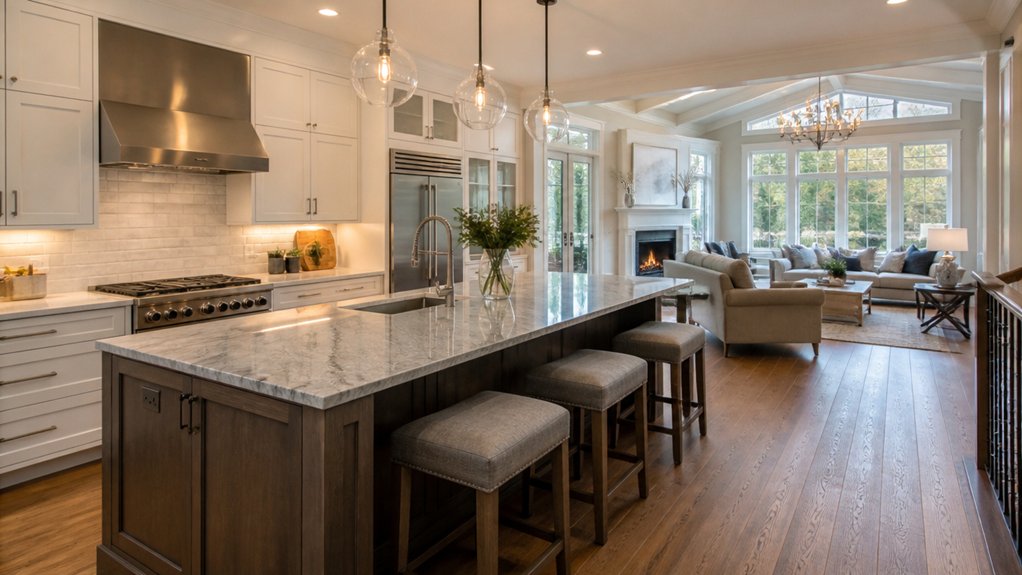
Not every renovation adds the same value. Start by comparing local sale listings, then ask a qualified estate agent which features buyers look for in your area. Deal with problems that could lead to more costly repairs, such as worn roofing, poor drainage or outdated electrics, before spending on cosmetic changes.
Next, consider improvements that make rooms easier to use and feel more spacious. Built-in shelves and wardrobe organisers can cut clutter, but check that they won’t take up too much usable floor space. Choose hard-wearing, neutral finishes that suit the house, and plan how materials and services will meet between rooms; concealed conduits can keep connections tidy, but they need to remain accessible where maintenance is required.
Set a firm budget and allow for unexpected work, especially if opening up walls or floors may reveal hidden problems. Favour practical improvements with broad appeal over personal luxuries, and check with your local building department about any permits or code requirements before work begins.
Upgrade Kitchens for Everyday Use and Buyer Appeal
Improve the layout so the main work areas are easy to reach and you’re not crossing the kitchen unnecessarily while cooking.
Choose finishes that can handle daily wear; durable materials may cost more upfront, while cheaper options can need replacing sooner.
Energy-efficient appliances can reduce utility use, but compare their running costs and features with the purchase price to see what suits your household and may appeal to future buyers.
Improve Layout and Workflow
A well-planned kitchen is easier to work in and can appeal to future buyers. Check how far you need to move between the sink, cooktop and fridge, and whether you have clear counter space beside each one for preparing food, cooking and putting groceries away. If the layout causes bottlenecks, moving an appliance may help; an island is only worth considering if there’s enough room to walk around it comfortably.
Look at the routes between doors, work areas and seating. Leave enough clear space for people to pass while someone is cooking, and check that an open dishwasher or fridge door won’t block a main walkway. You don’t necessarily need a bigger kitchen: changing the layout can improve how it works, though moving appliances may involve extra work. Ask a contractor what would need to change before deciding.
Choose Durable Finishes
Choose kitchen finishes for the wear they’ll get, not just how they look on a sample. Durable materials can reduce repair and replacement costs, but they still need the right care.
For worktops, quartz is non-porous and generally resists stains and scratches, though it can be damaged by high heat. Sealed natural stone has its own colour and pattern, but sealing and prompt clean-up may be needed to prevent staining. Ask how often the stone needs sealing and which cleaners to avoid.
For cabinets, check the construction and choose a washable finish that can handle fingerprints and regular cleaning. On floors, porcelain tile is hard-wearing but can feel cold and may crack if the floor beneath it moves. Quality luxury vinyl is softer underfoot and handles spills well, but its durability depends on the product and how it’s fitted. Keep colours and patterns fairly versatile, and check that each finish suits your household’s routines before you buy.
Add Energy-Efficient Appliances
Energy-efficient appliances can lower running costs and make a kitchen more attractive to buyers. When replacing old equipment, compare refrigerators, dishwashers and ranges that meet recognised efficiency standards. Check the estimated annual energy use, water consumption, capacity and warranty, rather than judging by the purchase price alone. A more efficient model may cost more upfront, so weigh that against expected savings and how long you plan to keep it.
Choose a finish and size that suit the kitchen, and measure the openings before you order. Check that the electrical connections are suitable; if you’re unsure, ask an electrician before buying. During a renovation, coordinate delivery and fitting with cabinet and worktop installation to avoid extra adjustments. Keep receipts and product specifications for buyers, but replace inefficient appliances first rather than discarding equipment that still works well.
Refresh Bathrooms Without a Full Remodel
You can freshen a bathroom without taking on a full remodel. Replacing dated taps, handles or light fittings can make a clear difference, but check that new fixtures suit the existing plumbing and wiring before you buy.
Clean the tile and grout first; if grout is cracked or stained through, replacing it may be more effective than cleaning, though it takes more work.
Good lighting makes the room easier to use and can make it feel more welcoming. Choose fittings rated for the bathroom location, and ask an electrician to check the wiring if you’re unsure.
Update Fixtures and Hardware
Replacing faucets, showerheads, cabinet pulls and towel bars is a straightforward way to update a bathroom without taking on a full remodel. Choose fixtures that feel comfortable to use, and check their measurements and connections before buying. A new faucet or showerhead must suit the existing plumbing; otherwise, fitting it may take more work than expected.
A consistent finish, such as brushed nickel or matte black, helps tie the room together, but every piece need not match exactly. Choose hardware that suits the bathroom and is easy to grip, then check that it can handle regular exposure to water. Cheaper parts can wear or leak sooner, so look for durable materials and quality valves.
This kind of update usually means less disruption than replacing major bathroom components, though the final effort depends on how well the new fittings suit what’s already there.
Refresh Tile and Grout
Cleaning and repairing tile and grout can freshen a bathroom without the cost or disruption of a full remodel. Scrub tile with a suitable cleaner and a non-abrasive brush; stiff or harsh tools can scratch glazed surfaces.
If grout is stained but sound, a grout colourant can refresh its appearance. A grout pen is a quick fix for small areas, but it may not wear as well as a properly applied colourant. Replace grout that’s cracked or crumbling rather than covering it, as gaps can let moisture reach the surface beneath.
Let new grout cure for the time stated on the product, then apply a suitable sealer if the grout requires one. Sealing can help resist stains and water, but it doesn’t make grout waterproof. For chipped tiles, replace only the damaged ones where possible, matching their size, colour and finish; check that replacement tiles are suitable for the existing surface. These targeted repairs can make the bathroom feel better maintained and help protect its surfaces without rebuilding the room.
Add Fresh Lighting
Once the tile and grout are clean and in good condition, updated lighting can make the bathroom brighter without a full remodel. At the vanity, use sconces on either side of the mirror for even light, or a wide fixture above it to reduce shadows on your face. Choose fixtures rated for damp locations, and have a licensed electrician handle new wiring.
A dimmer lets you use clear task lighting in the morning and softer light at night. If the room feels dim, replacing old bulbs with efficient LEDs can help; keep the colour temperature consistent, with warm white for a softer feel or neutral white for grooming. Reusing existing wiring can help keep the work simpler, but have an electrician check that it’s suitable. These changes can improve daily use and give the bathroom a more finished look without major construction.
Improve Comfort With Energy-Efficient Upgrades

An energy audit is a sensible first step. It can show where draughts get in, insulation is missing or heating and cooling equipment is wasting energy. Seal gaps around windows and doors, add insulation where it’s needed, and consider a programmable thermostat for closer control. Check for damp or ventilation problems before sealing a house tightly; trapping moisture can cause trouble. These measures can help keep indoor temperatures steadier through the year and reduce energy use.
If your budget allows, compare the cost and likely running savings of replacing old appliances or heating and cooling systems with more efficient models. Look at windows that suit your climate and choose durable materials, but weigh the upfront cost against how long they’re likely to last and how much heat they may save. You don’t have to do everything at once: start with the upgrades that address your biggest comfort problems. Keep receipts and records of the work, which can help explain improvements to future buyers.
Make More of Your Space With Flexible Layouts
You can make a home feel larger without adding square feet by planning how each room is used. A dining area can serve as a workspace, and a guest room can double as a hobby room between visits. Keep storage practical, use consistent flooring where it suits the rooms, and leave clear walkways; bulky furniture and clutter can make a flexible layout feel cramped.
Movable partitions can give you privacy when needed and open up sightlines at other times. Sliding panels take up less floor space than hinged doors, while pocket doors need room inside the wall and can be harder to fit in an existing home. Shelving can divide activities and provide storage, but too much of it may block light.
Before moving or removing walls, check traffic routes, natural light and whether a wall is structural. Ask a qualified professional what the work involves, and check with your local building department about applicable permits and requirements. Choose a layout that suits your daily routines; the right arrangement can improve comfort and usability, though resale appeal depends on what future buyers need.
Boost Curb Appeal With Exterior Improvements
A tidy exterior gives buyers a good first impression. Clean the siding and check for loose trim, peeling paint and signs of rot before you start repairs. Choose a colour scheme that suits the house and its surroundings; a restrained palette is easier to keep cohesive. Painting the front door, replacing worn house numbers and fitting updated outdoor lights can freshen the entry without a large project.
Keep the landscaping manageable: trim overgrown shrubs, edge the walkways, pull weeds and choose plants that can handle your local climate. Repair cracked paths, and make sure the route to the door is safe and clear.
If you’re considering new siding or a garage door, compare how each option will hold up and how much upkeep it needs. The right choice depends on the condition of the existing materials, the look you want and your budget.
Frequently Asked Questions
Do Renovation Projects Require Permits?
Many renovation projects need a permit, but the rules depend on where you live and what work you’re planning. Structural changes, electrical or plumbing work, additions and major alterations commonly need approval; painting and other cosmetic updates often don’t.
Before work starts, contact your local building department to confirm which permits you need, how long approval may take and whether inspections are required.
Permit reviews and inspections can affect your schedule and budget, so check before booking trades or ordering materials.
How Should I Choose a Reliable Renovation Contractor?
Compare several qualified contractors rather than choosing the lowest bid. Ask each for examples of recent work like yours, a detailed written estimate and a realistic schedule. A clear estimate should spell out the work, materials and anything that could change the cost.
Check licences, insurance and complaint history, and ask who’s responsible for permits. Requirements vary, so confirm with your local building department before work begins. Call past clients to ask about workmanship, communication and whether the contractor followed through when problems came up.
Before signing, read the contract, payment milestones and warranty terms carefully. A cheaper bid may leave out work or use different materials, so compare what each contractor is actually offering.
What Financing Options Are Available for Home Renovations?
You can pay for home renovations with savings, a personal loan, a home equity loan, a HELOC or a credit card. Renovation grants may also be available if you meet the eligibility rules, so check local and government programmes before you borrow.
Each option has trade-offs. Compare interest rates, fees, repayment terms and eligibility, and make sure you understand whether a loan is secured against your home. Borrow only what you can comfortably repay, allowing room in your budget for costs to rise if the work uncovers problems.
How Can I Minimize Disruption While Renovations Are Underway?
To keep disruption down during a renovation, agree the work sequence, daily hours, access routes and update schedule with your contractor before work starts. Ask which rooms and services will be out of use, and when. Clear routes and protected storage areas help keep dust and materials away from the rest of the house, though sealing off work areas won’t stop every bit of dust.
Keep essential rooms usable where possible, but weigh that against the extra time and inconvenience of working around occupied spaces. If the work will take key rooms or major systems out of service, arrange somewhere else to stay before the job begins. Allow some room in your schedule and budget for delays, as hidden damage or material hold-ups can affect both.
Should I Renovate Before Selling or Let Buyers Make Changes?
Before selling, deal with repairs that could cause trouble during an inspection or make buyers doubt the home’s condition. Check for leaks, damaged flooring and failing heating, plumbing or electrical systems. Leaving these problems can weaken offers or lead to difficult negotiations.
Be cautious about costly, taste-specific renovations. Buyers may prefer to choose their own colours, finishes or layout, and you may not recover what you spend. Ask a local estate agent which updates buyers in your market value, compare the likely cost with the effect on your sale, and price the home honestly if you leave cosmetic work unfinished.