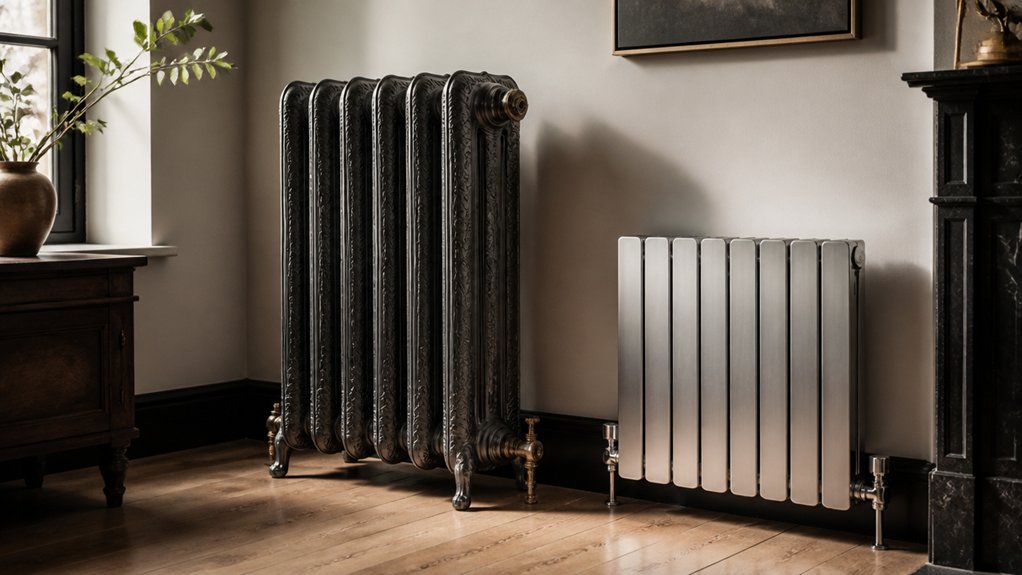
For a period home, cast iron can suit the original character and hold warmth between heating cycles. Modern aluminium heats up more quickly and is lighter to handle, which can help with installation or where space is tight. The trade-off is that neither material automatically cuts running costs; the boiler, controls, insulation and correct radiator sizing all affect how much energy the system uses.
Before you order, ask a heating professional to check the radiator’s compatibility with your system, pipe connections, wall strength and access for fitting. A mismatch can mean extra work or a radiator that does not heat the room properly.
Key Takeaways
Cast iron suits period homes and rooms where steady warmth matters. It holds heat for longer, but takes more time to warm up and is heavy, so check that the floor can support it.
Aluminium is a practical choice for modern rooms, tight spaces or heating that needs to respond quickly. It warms up faster than cast iron, but also cools sooner once the heating is off.
Whichever type you choose, size the radiator for the room’s floor area in square feet, ceiling height, insulation and heating controls. Ask your installer to check that the boiler can supply the required heat as well.
Before ordering, have the pipework and valves checked, and ask how the radiator will be protected against corrosion and securely supported. Compare the full cost of delivery and installation, and confirm access, floor strength and any renovation work needed.
Cast Iron vs. Aluminum: Which Fits Your Space?
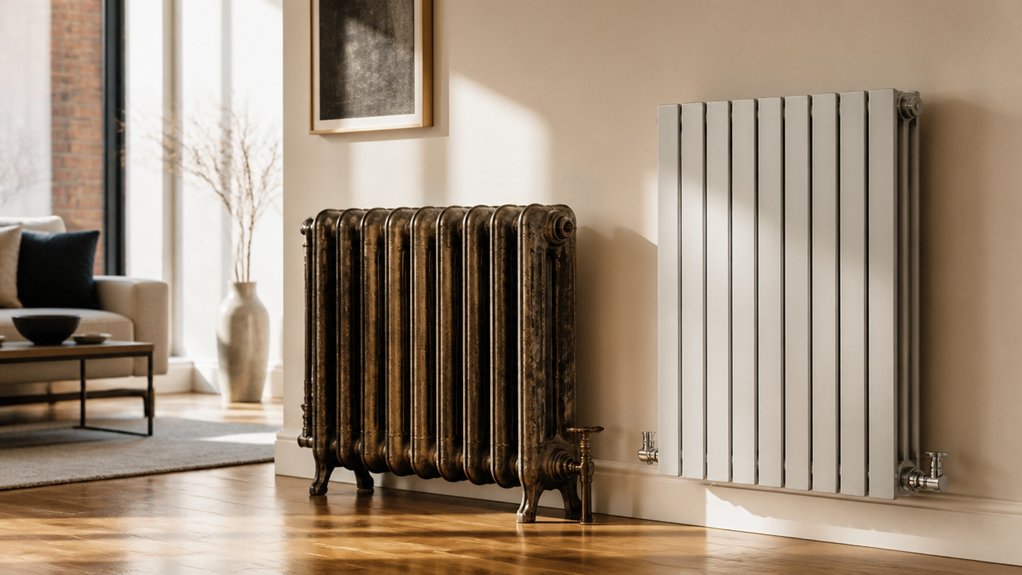
Cast iron suits many period homes, where its traditional appearance works with the existing features. It’s heavy and usually costs more to buy, so check that the floor can support it and that the installation suits your heating system. Its durability may make the higher upfront cost worthwhile if you want a long-lasting fixture.
Aluminium is lighter and comes in a wide range of sizes and modern designs. That can make it easier to fit where access is tight or wall strength is a concern. Before choosing it for an older heating system, ask a heating professional to check compatibility; its appearance may also feel out of place in a heritage room.
Compare the purchase and installation costs, the system requirements, and how each radiator will look in the room. The right choice is the one that heats the space effectively and suits the property without compromising its character.
How Quickly Does Each Radiator Heat a Room?
How quickly a radiator warms a room depends on its size, water temperature, heating-system output and how well the room is insulated—not just the radiator’s material. Aluminium radiators generally warm up faster because the metal transfers heat readily. Cast-iron radiators usually take longer to heat, so they may not suit a room where you want warmth soon after turning the heating on.
Check that the radiator’s heat output suits the room’s floor area in square feet, ceiling height and insulation. Position matters too: poor placement can leave cold spots, particularly in a large room. Both types can run quietly, but compare heat-up time, how long each stays warm after the heating switches off, appearance and installation requirements. If quick response and room-by-room control matter most, aluminium may be the practical choice; cast iron is slower to respond.
Which Radiator Keeps Heat Longer?
Cast-iron radiators usually stay warm longer after the heating switches off, while aluminium ones cool more quickly. That can help keep a room comfortable between heating cycles, but it also means cast iron takes longer to warm up; consider how quickly you need heat and how you use each room when choosing.
Heat Retention
Cast-iron radiators usually keep giving off heat for longer after the heating switches off. Their dense metal stores more heat, then releases it gradually, which can help keep a room comfortable between heating cycles. In an older home, that steady warmth and traditional appearance may suit the existing features and appeal to buyers who value period details.
Aluminium radiators heat up quickly but store less heat, so they tend to cool sooner once the system stops. They’re lighter and can be a practical choice for renovations, rentals or rooms where you want a quick response. Before choosing, consider how you use the room, how often the heating cycles, and whether lasting warmth or faster heat-up matters more to you.
Cooldown Time
Heat retention affects how long a room stays warm after the boiler switches off, but radiator size, water volume and heating controls matter too. Cast iron radiators usually cool more slowly, which can help keep a room comfortable between heating cycles. That may suit an older home or a room you heat only at certain times, though lingering warmth can make quick temperature changes harder.
Aluminium radiators tend to warm up and cool down faster, giving you more control when your schedule changes or a room is unused. The right choice depends on the room’s size, insulation and how you use it each day. Check that the radiator is properly sized and paired with responsive controls; the aim is steady comfort without heating a room longer than needed.
Material Matters
Material affects a radiator’s thermal mass, but its size and water capacity matter as well. Cast iron usually holds heat longer after the heating switches off, which can help keep temperatures steady in period homes and rooms with high ceilings. It responds more slowly, so it may not suit rooms where you want quick temperature changes. Aluminium heats and cools faster, giving you more control and potentially working better with zoned heating or rooms used at different times.
Choose for how you use the room, not material alone. Compare the radiator’s dimensions, heat output and water capacity, then check its durability and the manufacturer’s warranty. Ask how the model is protected against corrosion, and make sure the installer sizes and fits it properly. For a renovation or sale, weigh comfort and running costs against the character of your property.
Compare Installation Costs and Energy Use
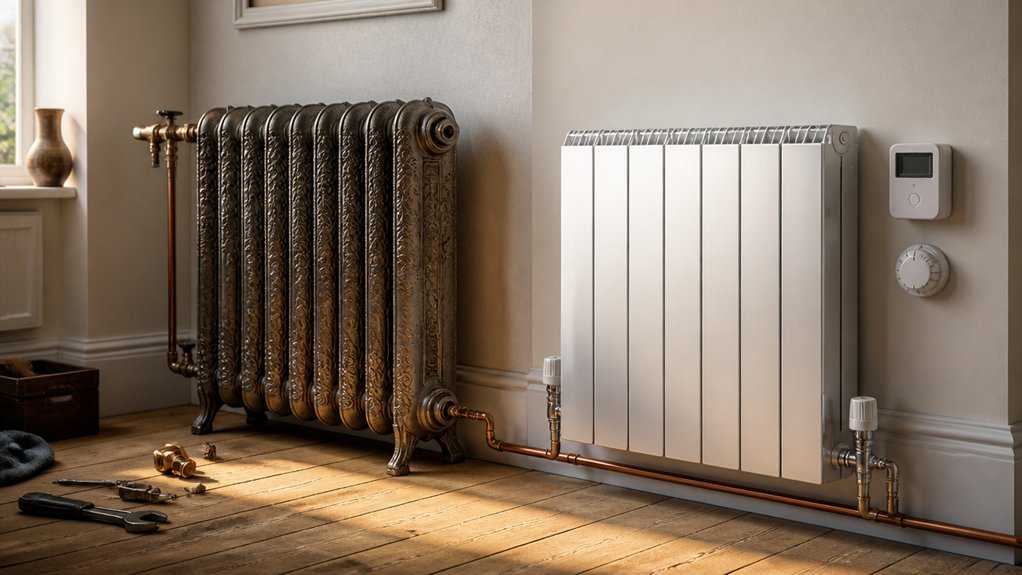
When comparing installation costs, look beyond the radiator’s price. Check whether your existing pipework needs changing, whether the wall or floor can support the radiator, and how much handling and labour the job will involve.
Aluminium models are often simpler and less costly to fit; cast-iron radiators can need stronger support and more careful handling.
Also consider how each type heats up and releases warmth, as this affects comfort and running costs. Ask your installer how the radiator will perform with your heating system and in the room where it’s going.
Installation Cost Comparison
Installation costs can narrow the price difference between cast iron and aluminium radiators, so compare the whole job, not just the unit price. Check that each quote covers delivery, removal of the old radiator, pipework changes, valves, labour and any floor or wall repairs.
Cast iron is heavy, so handling and access can add work. Replacing an existing radiator with a similar model may mean less disruption. Aluminium is lighter, but changes to the connections or controls can still add to the bill.
Ask contractors to price both options for your property, taking account of access and how many radiators need fitting. Compare warranties and likely maintenance as well as the installation cost. Keep energy use separate: a lower purchase or fitting cost doesn’t necessarily mean lower running costs. A detailed, like-for-like estimate gives you a sound basis for budgeting.
Energy Use and Efficiency
A radiator’s purchase and fitting costs are easy to compare, but running costs depend on the whole heating system. Cast iron warms slowly and holds heat, which can suit rooms you keep at a steady temperature. Aluminium responds quickly, so it can be useful in spaces you heat only when needed. Neither material will automatically lower your bills.
Check your insulation, boiler efficiency, radiator size and thermostat settings before choosing. When comparing quotes, ask what installation changes, controls or property upgrades are included; a cheaper radiator can cost more to fit. Also consider maintenance, as leaks or trapped air can reduce performance. A decorative finish may improve a room’s appearance, but it won’t make the radiator more efficient. Match the radiator to your heating system and how you use the room, then compare expected running costs as well as the purchase price.
Match Radiator Type to Your Home and Heating System
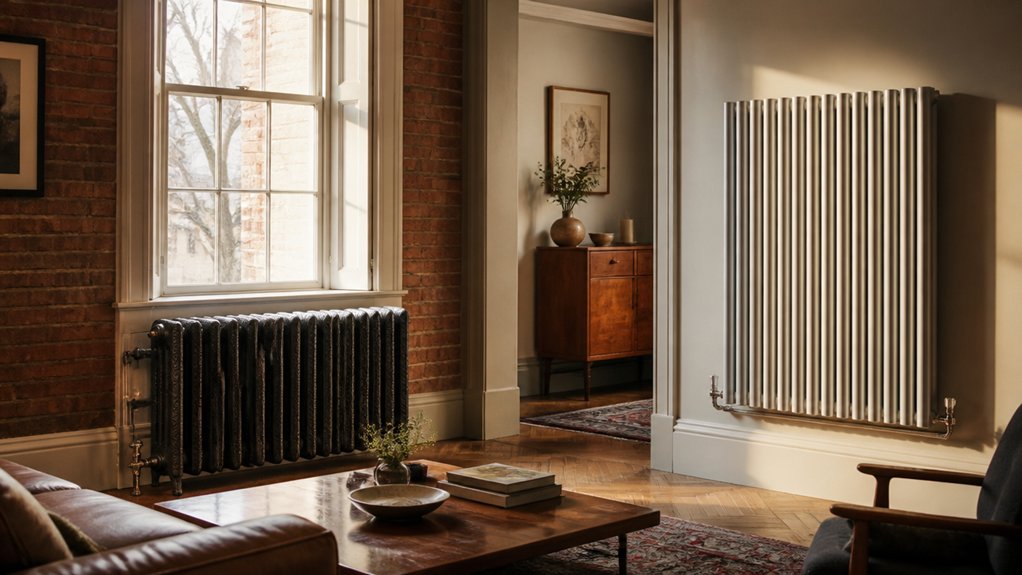
The right radiator depends on your heating system, the size of the room and any renovation work planned. In an older home with a traditional boiler and pipework, cast iron may suit the existing setup and the character of period rooms. It holds heat for longer, which can help keep a room comfortable between boiler cycles, but it also takes longer to warm up.
Aluminium radiators heat up quickly, so they can be a practical choice for rooms you warm only when needed. Before choosing either type, check the boiler’s output, the pipe connections and the radiator size required for the room. A poor match can leave a room uncomfortable and lead to extra installation work.
In damp areas or homes with treated water, ask an installer about corrosion risks and how to protect the heating system. For any radiator, check that it can be mounted securely and fitted with suitable valves. If the work is part of a renovation, confirm any applicable requirements with your local building department.
Weigh the Style, Weight, and Maintenance Trade-Offs
Style matters, but so do weight and upkeep. Cast iron radiators suit older homes, with period detailing that can complement the original features. Aluminium models have cleaner lines and a lighter profile, which can work better in a modern room or a tight layout.
Check the floor and access before ordering. Cast iron units are heavy, so the floor may need reinforcing, and delivery or installation can be awkward. Aluminium is easier to handle and may be more suitable upstairs, but don’t assume the floor or wall can support any model. Check the unit’s weight and ask a builder what support it needs.
Cast iron can last for decades, though older radiators may need repainting or leak repairs. Aluminium resists corrosion, but its connections still need checking; follow the manufacturer’s care instructions. Before you buy, compare the finish, weight and maintenance needs with what your property can manage.
Frequently Asked Questions
Can Cast Iron or Aluminum Radiators Be Painted?
You can paint cast iron and aluminium radiators, but the finish depends on good preparation and the right products. Switch off the heating and let the radiator cool completely, then clean it and lightly sand the surface. Use a heat-resistant primer and paint labelled as suitable for radiators; on aluminium, check that both products are compatible with the metal, or the paint may peel. Painting can freshen the radiator’s appearance and help protect the surface, but it won’t fix existing corrosion or leaks.
How Do I Bleed Air From a Radiator?
Switch off the heating and let the radiator cool before you start. Put a towel and small container beneath the bleed valve, then open it slowly with a radiator key.
Let the air hiss out. When water runs steadily, close the valve firmly, but don’t overtighten it. Check the boiler pressure afterwards and top it up if needed, following the boiler instructions. If the valve keeps releasing air or the radiator still makes noise, there may be a leak or another system fault that needs checking.
What Causes a Radiator to Make Banging or Gurgling Noises?
Banging usually comes from pipes expanding as they heat, trapped air or a faulty valve. Gurgling often points to air in the radiator or low system pressure. Look for knocks in the walls, bubbling sounds and rooms that warm unevenly.
Check the radiator valve and the pressure reading against your boiler’s instructions. If air is trapped, bleeding the radiator may help, but it can lower system pressure, so check it again afterwards. If the noise continues or you’re unsure how to top up the system, have a heating professional inspect it before the fault affects comfort or energy use. Regular maintenance can help catch problems early.
Can I Install a Radiator Beneath a Window?
Yes, a radiator can go beneath a window. It can help counter the chill from cold glass, but leave enough space around it for warm air to circulate. Check that curtains, furniture and the window sill won’t block the heat, and make sure the wall can safely support the radiator.
Choose a radiator to suit the room’s heat loss and your heating system. Cast iron and aluminium have different heating characteristics, so weigh those against your budget and the system you have. Ask a heating professional to check the position, wall fixings and pipe connections before installation.
How Often Should Radiators Be Flushed?
Have your radiators flushed every five to seven years, or sooner if they show signs of trouble. Cold spots, slow heating, gurgling, discoloured water or uneven warmth can point to sludge or other issues, though a heating professional should check the cause before recommending a flush.
A flush may help restore even heat and reduce wasted energy, but the right approach depends on your system and whether the radiators are cast iron or aluminium. Ask the heating professional what they found, whether a flush is suitable for your radiators and what routine care can help prevent costly repairs.