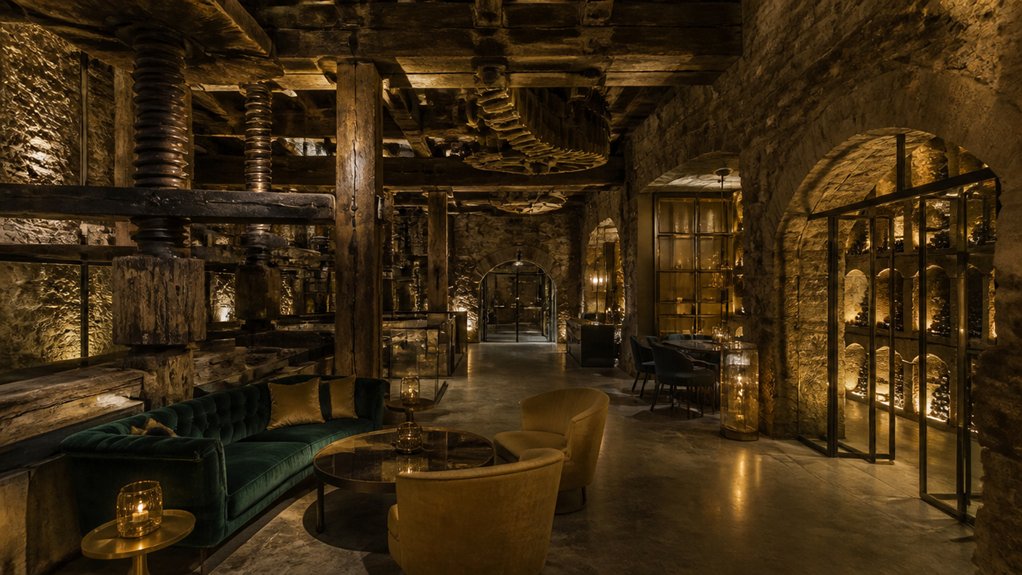
At the Vintage Vault, you stay inside an 18th-century wine press and historic caves transformed into a private subterranean estate. You’ll find original stonework, vaulted chambers, and traces of the property’s winemaking past alongside modern lighting, climate control, and utilities. Careful restoration reinforces the old masonry while preserving its character, giving you a rare blend of heritage, privacy, and contemporary comfort. Whether you’re planning a group escape or celebration, the estate offers a distinctive base for exploring local villages, vineyards, and regional cuisine. Discover how its history shapes every stay.
Key Takeaways
- The Vintage Vault transforms an 18th-century wine press and historic caves into a distinctive subterranean luxury estate.
- Its restoration preserves original stonework, vaulted chambers, and traces of winemaking while discreetly reinforcing historic structures.
- Modern climate control, lighting, and utilities bring contemporary comfort to the estate’s cool underground spaces.
- The layout balances communal gathering areas with private retreats, making the property suitable for group stays and celebrations.
- Guests can explore nearby villages, vineyards, regional cuisine, and local producers with help planning excursions.
What Makes the Vintage Vault Unique?
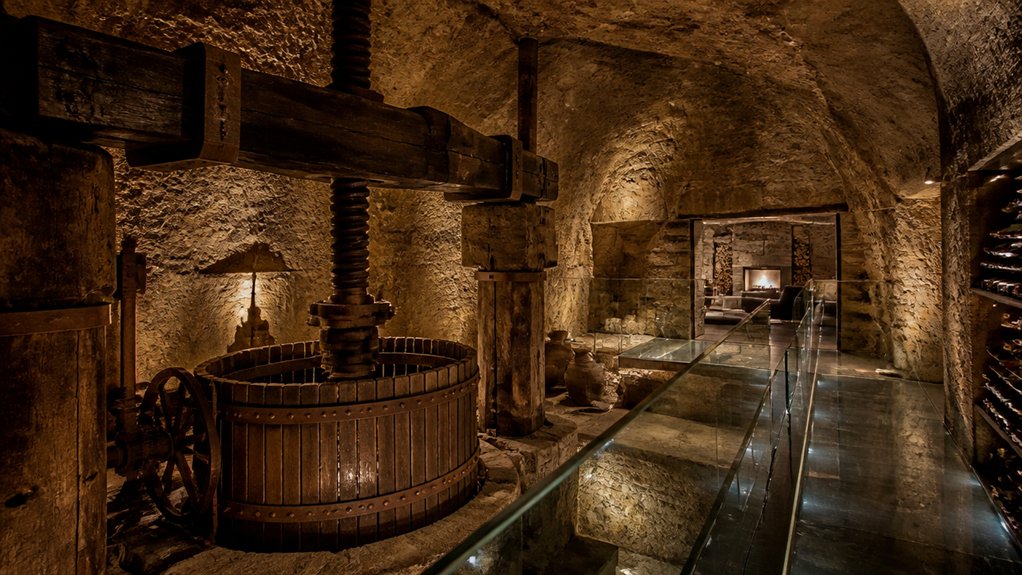
Unlike a conventional luxury estate, the Vintage Vault brings an 18th-century wine press and historic caves into a single, distinctive property. You’ll find a rare combination of heritage, privacy, and contemporary comfort, with underground spaces that give the estate a memorable identity.
Its architectural artistry lies in the contrast between historic stonework and carefully considered modern finishes, not in excess. For buyers seeking a property with provenance, that distinction can support lasting appeal and set it apart from standard luxury listings.
The estate also offers cultural preservation as a tangible part of ownership: you can experience a historic setting while enjoying amenities designed for modern living. Rather than treating the past as decoration, the Vintage Vault makes history central to its character, giving you a distinctive asset with both emotional resonance and market visibility.
How the Historic Wine Press Shaped the Estate
The 18th-century wine press shaped the estate’s layout, giving its historic core a clear purpose and a strong sense of place. You experience that legacy in the way the design respects the press’s scale while adapting its working footprint for contemporary living.
Rather than treating history as decoration, the project makes Heritage preservation part of its value proposition: original features inform the architecture, circulation, and atmosphere. The press also anchors the estate’s story in Wine fermentation, connecting its luxury appeal to the craft that once defined the property.
That authentic narrative gives you more than a striking setting; it offers a distinctive identity with lasting market appeal. Carefully balancing old and new, the estate turns an industrial landmark into a refined destination without erasing the purpose that made it significant.
What Remains of the Ancient Wine Caves?
You’ll find the estate’s story in its surviving stone cellars, where original masonry still anchors the property’s character.
Preserved pressing features offer tangible links to its 18th-century wine trade.
Together, these details give you heritage buyers can see and value.
Surviving Stone Cellars
Though the estate has evolved into a luxury retreat, its surviving stone cellars still reveal the site’s winemaking past. As you explore these cool, vaulted chambers, you’ll see how thick masonry, low arches, and irregular stonework reflect medieval architecture and centuries of practical use.
Their subdued light and steady temperatures once helped protect stored wine; today, they give the property a distinctive sense of place that polished interiors can’t replicate. Look closely at damp seams and shaded recesses, where subterranean ecosystems may persist in the form of mosses, fungi, and small invertebrates.
Careful restoration keeps these surfaces legible while improving access, lighting, and visitor comfort. For you, the result is more than atmospheric décor: it’s an authentic architectural asset that connects a high-end stay to the estate’s working history.
Preserved Pressing Features
Beyond the vaulted cellars, surviving pressing features offer a closer look at how grapes once moved through the estate’s wine-making process. You can still read the production sequence in the stonework: press beds, channels, and receiving basins guided juice toward storage areas below.
These details give the property more than historic character; they anchor its luxury appeal in authentic craftsmanship. As you explore, notice how gravity and durable masonry shaped early cellar design, supporting efficient handling before modern pumps and temperature controls.
The preserved infrastructure also clarifies the estate’s role in wine fermentation, when cool underground conditions helped protect stored wine. Rather than disguising these traces, a thoughtful renovation can frame them as distinctive features, pairing contemporary comfort with tangible evidence of the site’s working past.
How the Caves Were Restored for Modern Living
To make the caves livable, you need structural reinforcement that protects their integrity and supports daily use.
Thoughtful upgrades bring modern comfort without erasing the stonework and details that give the estate its historic character.
The restoration balances lasting performance with the distinctive appeal buyers value.
Structural Reinforcement
The restoration team reinforced the 18th-century caves without erasing their character, stabilizing the original stone walls and vaults for modern use. You can see how careful engineering protects the estate’s defining asset: its historic fabric.
Specialists surveyed the masonry, identified weak points, and discreetly strengthened vulnerable sections with compatible materials. They secured loose stone, reinforced load-bearing arches, and addressed pressure from the surrounding earth, improving foundation stability while preserving the caves’ original proportions.
Where needed, concealed supports help distribute weight without competing with the aged surfaces. Engineers also assessed ground movement and strengthened critical connections to improve seismic resilience.
For you, these measures mean a more dependable structure and a lasting investment, not a cosmetic makeover. The work respects the site’s heritage while preparing its underground spaces for safe, sustained use.
Modern Comforts, Historic Character
While the restored stone vaults preserve the caves’ historic character, discreet upgrades make them comfortable for modern living. You’ll find climate control carefully integrated to protect the masonry while keeping rooms temperate year-round. Concealed ventilation manages humidity, an essential detail in an underground estate where wine once matured.
Warm, layered lighting highlights textured stone without overwhelming its natural patina, while recessed fixtures preserve the vaulted silhouettes. Underfoot, durable finishes and subtle radiant heating add comfort without competing with the historic fabric.
Modern bathrooms and a well-equipped kitchen bring everyday convenience, with plumbing and wiring routed to limit visual disruption. This balance reflects thoughtful Historic preservation and a market-aware Modern renovation: you gain contemporary performance, but the caves’ defining character remains visible, tangible, and central to the experience.
How Heritage and Luxury Meet at the Vintage Vault
At Vintage Vault, 18th-century wine caves and press rooms become the foundation for a luxury estate that preserves the site’s character while meeting modern expectations. You’ll see Heritage preservation in the retained stonework, vaulted passages, and traces of the original press, rather than in decorative replicas. Those features give the property a distinctive identity and connect its design to the region’s winemaking history.
Luxury integration takes a measured approach: contemporary finishes and carefully planned amenities complement the old structure without competing with it. You benefit from a setting that feels rare and considered, while the estate’s historic fabric remains central to its appeal.
This balance also gives the property a clear market position: a heritage destination with authentic architectural substance, not simply a polished retreat dressed in period details.
What Is It Like to Stay at the Vintage Vault?
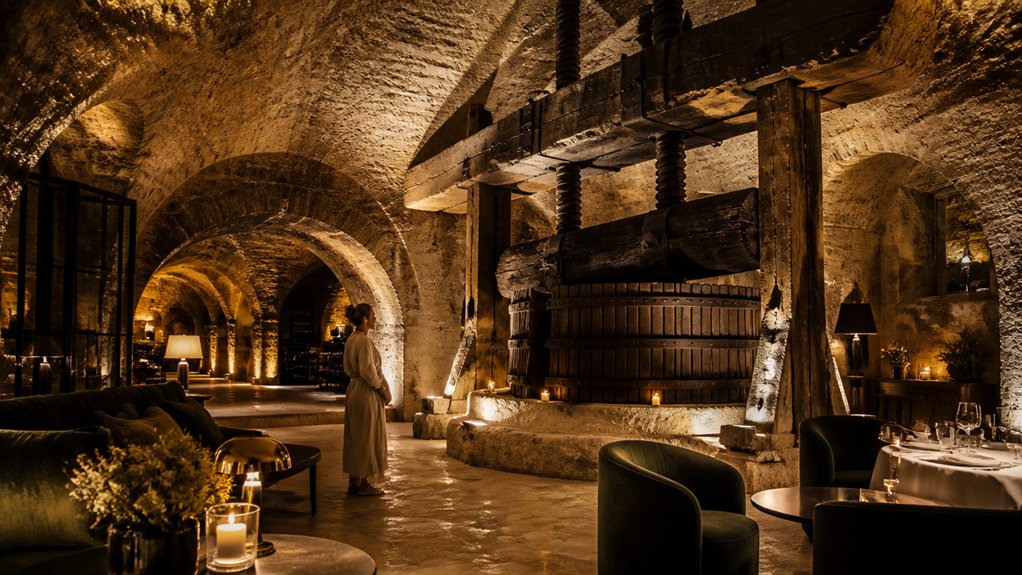
Beyond its preserved stonework and vaulted passages, a stay at Vintage Vault pairs historic character with the comforts expected of a luxury estate. You can settle into thoughtfully appointed rooms, where modern amenities make the former wine press feel welcoming rather than museum-like.
Cool underground spaces offer a natural retreat, while shared areas give your group room to gather without sacrificing privacy.
Step outside to enjoy outdoor activities, from countryside walks to exploring nearby villages and vineyards. Your hosts can help you plan excursions and discover local cuisine, whether you prefer a relaxed meal close by or a tasting-led day among regional producers.
With heritage built into every turn and practical comforts close at hand, you get a distinctive base for a restorative escape, a celebration, or a private group stay.
Frequently Asked Questions
Where Is the Vintage Vault Located?
The Vintage Vault is located in the historic wine-producing region of Burgundy, France. You’ll find it within a restored 18th-century wine press and its underground caves, where Historical architecture meets contemporary Wine cellar design.
The project transforms these original spaces into a subterranean luxury estate, preserving their character while reimagining their use. If you’re exploring distinctive heritage properties, this location offers a compelling blend of French winemaking history, architectural detail, and modern luxury.
How Many Guests Can the Estate Accommodate?
You can accommodate up to 30 guests at the estate. That capacity lets you host an intimate celebration or a larger group stay while preserving the property’s distinctive character.
Historical preservation shapes the experience, pairing the site’s heritage with Luxury amenities designed for comfort.
You’ll want to confirm the maximum overnight occupancy and event capacity directly with the estate, since those limits may differ and can depend on your booking arrangements.
What Is the Minimum Stay?
You’ll need to book at least 7 nights. That gives you time to settle into the estate, enjoy its distinctive underground setting, and plan experiences around your visit.
You can pair your stay with wine tasting and vineyard tours, but check availability and any seasonal schedules before confirming.
The minimum stay may vary by date or booking conditions, so review the current listing or contact the host to verify the requirement before you reserve.
Are Pets Allowed at the Property?
You can’t assume pets are allowed; the property’s Pet policies and Animal accommodations haven’t been specified.
Even your impeccably behaved terrier can’t negotiate a booking clause with a wag and a winning résumé.
Before you reserve, ask the host whether pets are permitted, which animals qualify, and whether fees, size limits, or restrictions apply.
Get the terms confirmed in writing, so your stay—and your four-legged companion’s welcome—doesn’t depend on guesswork.
How Can Guests Book a Stay?
You can book a stay by contacting the property directly or using its official booking channel, if available. Check current booking options for dates, rates, minimum-stay requirements, and included amenities before you commit.
To streamline the reservation process, share your preferred dates, guest count, and any special requests. Then confirm payment terms and cancellation policies.
Ask for written confirmation once your booking’s accepted, and verify check-in details before arrival to avoid surprises.