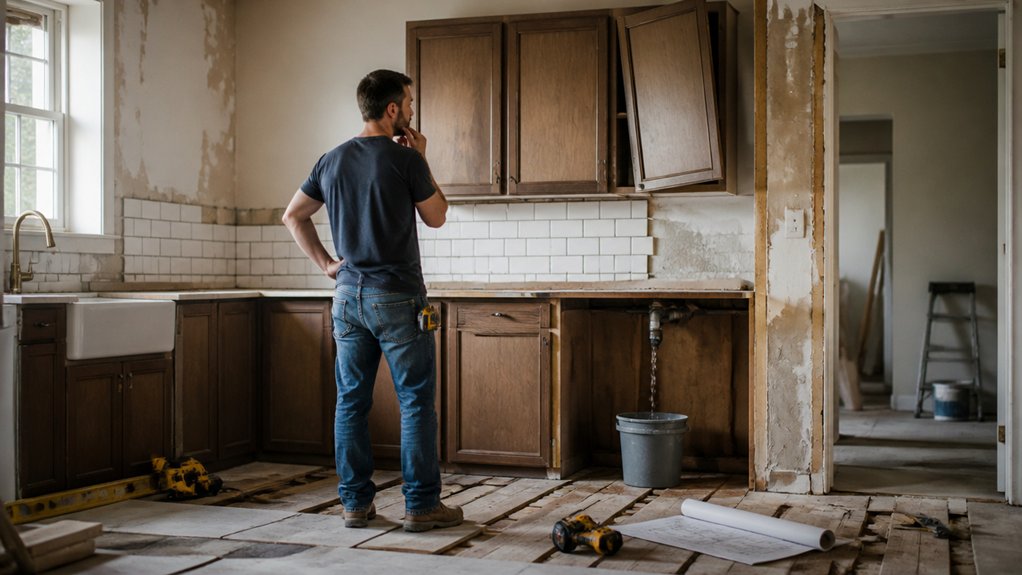
Start with current local labour and material costs, then allow for permits, delivery, waste removal, taxes, temporary accommodation and a contingency. Set out the essential work, finishes, assumptions and exclusions before comparing at least three itemised quotes, so you can see what each contractor has included.
Check references, insurance, the written contract and payment terms; the lowest quote may leave out work you’ll need to pay for later. Confirm permit requirements and local restrictions with your building department, set milestones that account for trade and material availability, and approve any changes in writing. The steps ahead explain how to manage each risk.
Key Takeaways
Underbudgeting is a common cause of trouble. Get itemised quotes from at least three licensed contractors, based on current local costs. Check that each quote covers permits, delivery, waste disposal and taxes, and keep a contingency reserve for unexpected repairs.
A vague scope makes bids hard to compare and changes more likely. Set priorities, starting with safety and essential repairs, then specify the fixtures and finishes that matter. Write down assumptions and exclusions so you know what each contractor has included.
Don’t choose a contractor on price alone. Check references, relevant experience, insurance, payment terms and warranty details, and get the full scope, costs and schedule into a written contract before work starts.
Before work begins, check with your local building department about permits, building codes and zoning rules. If the property is in a historic district or subject to HOA rules, check those requirements too. Agree in writing who will handle applications, fees and inspections.
A schedule can slip when trades are unavailable or materials arrive late. Confirm availability and lead times before setting dates, then track milestones as work progresses. Approve any changes in writing, including their cost and effect on the schedule.
Set a Realistic Renovation Budget

A sound renovation budget starts with current local labour and material costs, not a rough guess or an old estimate from a neighbour. Get itemised quotes from several licensed contractors and compare what each includes: labour, material allowances and payment terms. Check current supplier prices too, as availability and demand can change the cost of materials.
Allow for permits, delivery, waste disposal, taxes and somewhere to stay if the work makes your home difficult to use. Ask your local building department which permits and inspections apply before work begins; requirements vary by location and project.
Keep a separate reserve for hidden damage, price rises and necessary repairs, especially in an older home. Track quotes, commitments and invoices against your budget as the work progresses, and don’t use the reserve to fund upgrades. If the estimates are beyond your limit, revise the scope or budget before signing a contract or paying a deposit.
Plan the Scope Before Work Begins
Before you hire a contractor, decide what the renovation needs to include and what can wait. List each room or system, describe the result you want, and mark essential work separately from upgrades you could postpone. Set priorities around safety and function first, then consider likely resale value; trends alone are a poor reason to spend.
Check that the plan fits your budget using current material and labour costs. Keep a reserve for hidden damage or other unexpected repairs rather than spending the full budget on optional finishes. Specify fixtures, finishes and performance requirements where they affect the work or price, but leave minor colour and style choices open if they won’t change the scope.
Write down your assumptions and exclusions before comparing contractors. Ask each one to confirm what the estimate includes and what it leaves out; otherwise, you may be comparing different scopes and face disputes over what the quoted price covers.
Choose a Reliable Renovation Contractor
Choose a contractor on clear communication, relevant experience and work finished to the agreed standard, not just the lowest bid. Ask about projects similar to yours, who’ll supervise the job, and how delays or changes are handled. Get itemised estimates from at least three contractors and compare labour, materials, allowances, payment stages and exclusions. A low bid may leave out necessary work or use unrealistic allowances, so ask for any gaps to be explained before you sign.
Check recent references and, if possible, look at completed work. Ask homeowners whether the contractor kept them informed and dealt with problems promptly. Confirm the contractor has appropriate insurance, and get a written contract setting out the scope, costs, milestones and warranties. Do your checks before paying a deposit, and avoid large upfront payments or cash-only arrangements.
Check Permits and Building Requirements
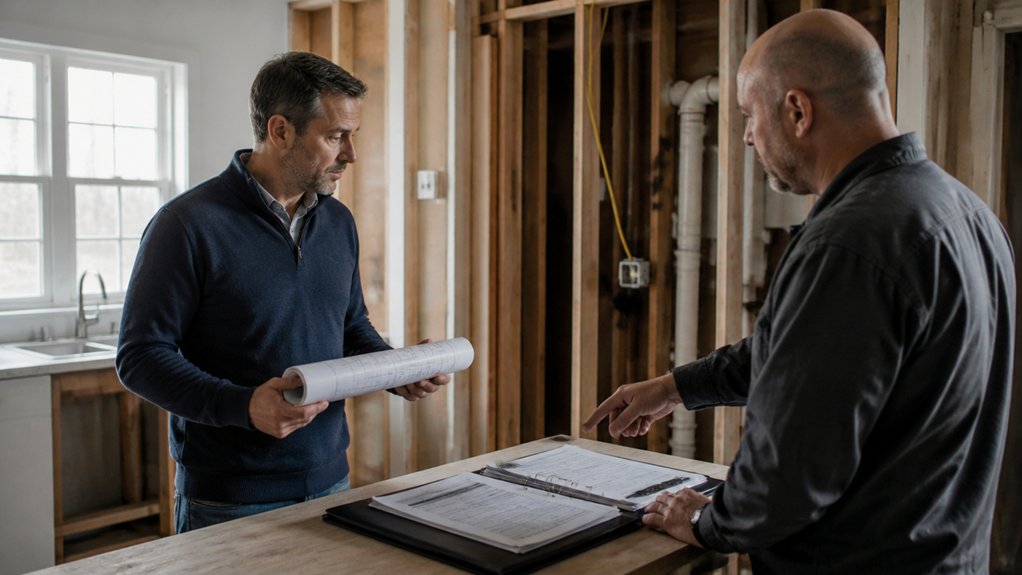
Check permit and building requirements before work starts. Rules vary by location and by the scope of the job, so contact your local building department to confirm what’s required for structural changes, electrical work, plumbing, roofing or additions.
Agree in writing with your contractor on who’ll submit plans, pay fees and arrange inspections. Don’t assume they’ll handle every application. Check zoning limits, historic-district rules and homeowners’ association restrictions as well; these can affect your design, costs and property value.
Unapproved work can lead to fines, stop-work orders, required corrections or problems when you sell or insure your home. Ask your contractor which code requirements apply and what common compliance issues to watch for, then verify their credentials before relying on their advice. Keep copies of permits, approved plans, inspection records and final sign-offs.
Avoid Delays With a Practical Timeline
A renovation is more likely to stay on schedule if you build a practical timeline before work starts. Check that each trade is available when needed, and confirm material lead times and delivery dates. Ask your contractor to put the work in sequence, show which tasks depend on others, and set milestones for decisions and inspections. This helps catch problems early, such as booking a crew before permits are approved or ordering custom items too late.
Review the schedule with everyone involved and agree who’ll provide updates. Check progress each week, and respond promptly when your contractor needs a selection or approval; slow decisions can leave crews waiting. Keep contingency funds for unexpected costs, but don’t let that become a reason to accept delays that could have been avoided. Keep the timeline visible, record any changes to agreed dates, and adjust the next tasks when the work shifts. Check permit requirements with your local building department.
Prepare for Hidden Problems and Changes
Even a carefully planned renovation can uncover trouble once walls, floors or fixtures are removed. Look out for outdated wiring, water damage and structural problems that weren’t visible during an inspection. Before work starts, ask your contractor what hidden issues are most likely and how they’d affect the work. Keep money aside for unexpected repairs; the amount depends on the age and condition of the property and the scope of the job.
Agree in writing how changes will be handled. Ask the contractor to record each proposed change, its cost and effect on the schedule, and get your approval before the work goes ahead. This helps separate essential repairs from upgrades that can wait.
Set clear limits on the work to avoid scope creep, where small additions gradually stretch the budget. Compare estimates with current labour and material costs, and put safety and essential repairs first. If hidden problems arise, weigh the cost and delay of fixing them now against the risks of putting them off.
Frequently Asked Questions
How Can I Keep My Home Livable During a Major Renovation?
Keep the house liveable during a major renovation by planning around the rooms and services you need each day. Ask your contractor to phase the work, seal off dusty areas and keep a safe route to a bathroom, kitchen and sleeping space. A temporary kitchen may work if water and power stay on; if they’ll be shut off, arrange somewhere else to stay.
Get the work schedule, planned utility shutoffs and backup arrangements in writing. Check what happens if work runs late or an unexpected problem leaves you without water, power or a usable room. Staying at home can reduce lodging costs, but it may mean more disruption; agree on the trade-offs before work starts.
Should I Move Out While Renovation Work Is Underway?
Move out if the work will interrupt essential services, create heavy dust or noise, or leave unsafe areas you can’t properly separate from. If the work is contained and you can stay in a sealed-off part of the house, staying may be practical, but agree with the builder how access, dust control and daily clean-up will be handled.
Moving out can reduce health risks and give the crew room to work, but it adds accommodation costs. Look into temporary housing early; availability and rental costs depend on the season and location. Ask for a clear work schedule, including when services will be shut off and when noisy or dusty work is planned, so you can weigh the disruption against the cost of leaving.
How Can I Protect Furniture and Belongings From Dust and Damage?
Move valuables and small items out of the work area, then cover remaining furniture with sturdy plastic sheeting.
Ask your contractor how they’ll seal doorways and vents to keep dust from spreading, and check that the barriers stay in place throughout the work.
Raise furniture off the floor where spills could occur.
Also agree how the crew will manage airflow: poor ventilation can spread dust, while blocking vents without a plan can affect indoor air quality.
What Renovation Upgrades Can Improve Energy Efficiency?
Start with the draughts: check around doors, windows, loft hatches and pipe openings, then seal gaps with suitable materials. Adding insulation in the attic can help, but make sure ventilation isn’t blocked and that the insulation suits the space. A programmable thermostat can also reduce wasted heating, though it won’t make an inefficient heating system more effective.
Replace old bulbs with LEDs for a straightforward improvement. Efficient windows or heat-pump equipment may be worth considering, but weigh the upfront cost against the likely savings and the condition of your existing windows or heating system. Get comparable contractor quotes, ask what work is included, and check for available rebates.
An energy audit can help identify where heat is escaping and which upgrades to tackle first. Prioritise the biggest sources of waste rather than replacing equipment that’s still working well.
How Should I Prioritize Renovations Before Selling My Home?
Before listing, deal with leaks, safety hazards and visible damage. These can put buyers off or raise concerns about what else has been neglected. Check for water stains, loose steps, damaged rails and cracked or missing masonry; if work may affect structure or safety, ask the local building department what rules apply.
Once repairs are done, consider fresh paint, better lighting and tidy kerb appeal. Ask a local estate agent which improvements buyers in your area tend to notice, and weigh that against the cost and time involved. Skip expensive upgrades if they’re unlikely to add enough value or help the home sell.
Set a firm budget and get competing bids. Check references, ask what each bid includes, and confirm how changes or unexpected repairs will be handled. If you need financing, compare the borrowing cost with the likely benefit, and aim to finish the work before listing so buyers can see the home in its best repair.