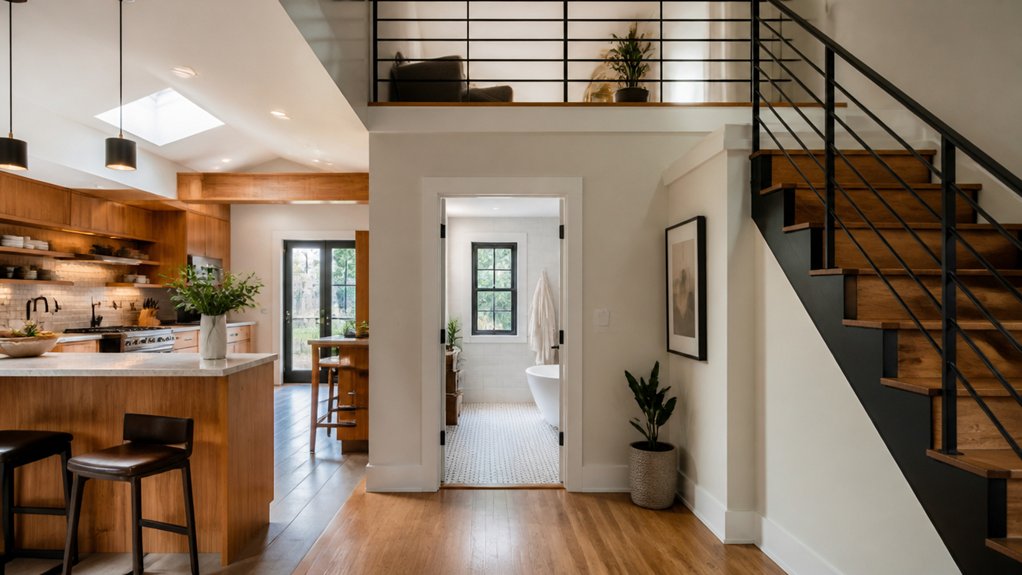
The best return depends on your home, budget and what local buyers are looking for—not simply which project costs the most. A kitchen refresh can improve appeal without the disruption and expense of a full remodel. A bathroom update may make more sense if the fixtures are dated or the house needs another bath.
A loft conversion can add useful living space, but it usually costs more and takes longer than updating a kitchen or bathroom. Before choosing, get full estimates, compare recent local sales and check that the project suits your home’s price range. Ask what work is included, what could add to the cost and whether local building approval is needed; check permit requirements with your local building department. The sections below explain the trade-offs.
Key Takeaways
No renovation guarantees a strong return. It depends on your home, the budget, what local buyers want and the price you can realistically sell for. Before choosing a project, compare recent sales of similar homes and ask local agents which improvements matter to buyers.
A kitchen refresh can improve a home’s appeal without the cost and disruption of a full rebuild. Put money into durable worktops, practical storage and dependable appliances before luxury finishes. Check that the layout works and that plumbing or electrical changes won’t add unexpected work.
Bathroom updates can deal with worn fittings or other concerns buyers may notice. Adding a second bathroom may make sense where local demand supports it, but weigh the extra plumbing, space and disruption against what similar homes offer.
A loft conversion can add useful living space, particularly a bedroom, but it is a larger project with a longer build. Check the available headroom, access and structural requirements before committing. Ask your local building department which permits and code requirements apply, and confirm that the design can meet them.
Compare the full cost, disruption and likely resale benefit of each option. For a [home renovation](https://barleyconstructionandstone.net/services/renovations/), ask contractors what is included, what could uncover extra work and how long the job is expected to take.
Which Renovation Offers the Best Return?
Which Renovation Offers the Best Return?
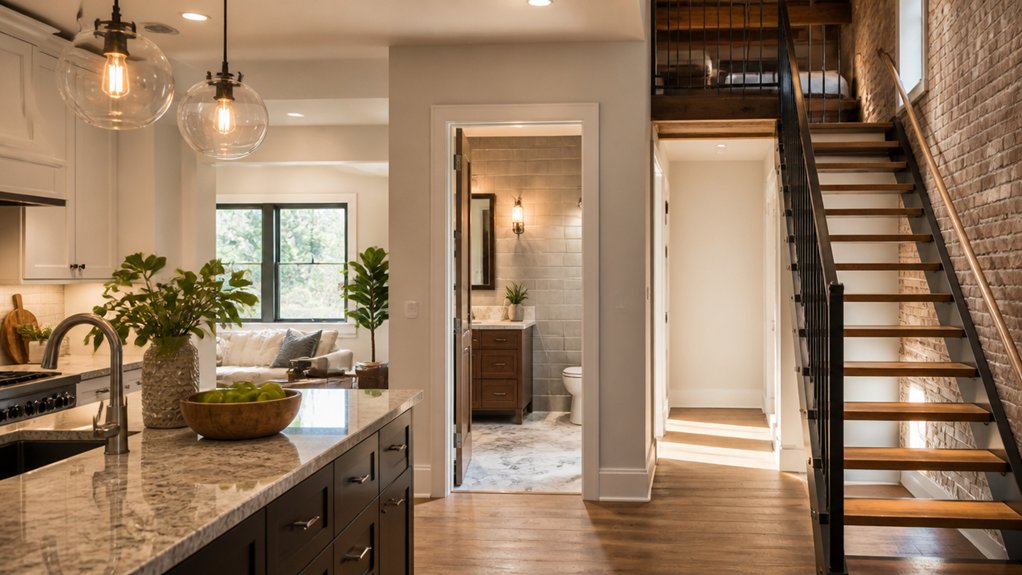
The best return depends on your house, your budget and what local buyers value. A loft conversion can add useful living space, while a bathroom upgrade may improve comfort and appeal. Kitchen work can help a home compete, but expensive finishes don’t guarantee a higher sale price.
Compare the likely resale benefit with the full cost, including labour, permits and the disruption while work is under way. Ask local estate agents which features buyers look for in your area, and get detailed estimates from contractors. Check with your local building department about permits and applicable requirements before work starts.
Keep the scope suited to your home and its price range. Practical, well-finished improvements are often a safer bet than luxury extras, which can be costly without bringing a matching return. Choose work that addresses a clear need and fits local buyer demand.
How a Kitchen Renovation Affects Home Value
A kitchen renovation can help your home appeal to buyers, but the return depends on what you spend and what buyers in your area expect. Focus on the basics they’ll notice: hard-wearing worktops, useful storage, dependable appliances and a layout that works. Check recent local sales before setting your budget, and avoid spending more than the neighbourhood is likely to support.
A full remodel isn’t always needed. Freshening cabinet doors, improving the lighting or replacing tired handles can make the kitchen feel more current for less than replacing everything. Choose finishes with broad appeal rather than strong personal preferences, and keep a record of costs so you can judge whether the work is likely to support your asking price and ease buyer concerns.
What a Bathroom Renovation Can Add
A bathroom renovation can make your home more appealing to buyers and help support its value, particularly if it deals with obvious wear or adds a second bathroom that the household needs. Buyers look for clean, working bathrooms. Check that the plumbing is sound, the lighting is useful, storage is practical and fixtures work properly. Durable, neutral finishes are often a safer choice than luxury fittings: they can keep costs in check and suit a wider range of buyers.
The return depends on local expectations, the home’s condition and the scope of the work. Start with repairs and changes that address likely buyer concerns, and weigh their cost against what they may add to the sale price. If your only bathroom looks dated, a straightforward refresh may be enough; adding another could help if buyers in your area are likely to value it. Plan the work around your selling timetable and check local market conditions before committing, so you’re less likely to pay for upgrades that buyers won’t value.
When a Loft Conversion Pays Off
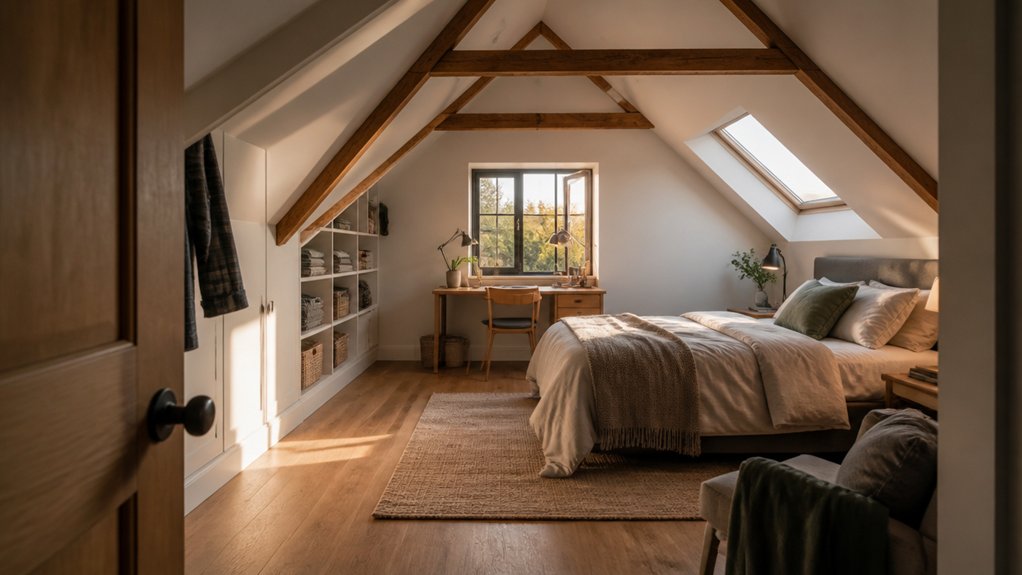
A loft conversion is most likely to pay off when it turns unused roof space into a bedroom, office or suite that buyers in your area are looking for. It adds living space without extending the house’s footprint, but the return depends on whether the design suits the property, the finish feels part of the house and the work meets local building requirements. Check with your building department about the rules that apply before you commit.
Good natural light, enough headroom and safe, convenient access make the new room more useful. An en-suite or built-in storage may help, but only if local buyers value those features and there’s room to fit them without making the space cramped. Ask whether the layout can provide comfortable headroom and suitable access, and check local demand and your home’s likely ceiling value. If the conversion is unlikely to support a higher sale price, the investment case may be weak.
Compare Renovation Costs, Disruption and Resale Appeal
Compare the full cost and disruption of a kitchen, bathroom or loft project with the resale appeal buyers in your local market are likely to value. A kitchen refresh may cost less than a full renovation, but materials, labour and losing the use of your cooking space can add up. Bathroom work may take less time, though hidden plumbing problems can push the budget higher. A loft conversion usually involves more work and a longer build, but the extra living space may appeal to buyers looking for another bedroom.
Before choosing, ask contractors what’s included in their estimates, how they’ll protect the rest of the house and what could change the schedule or cost. Check with your local building department about permits and applicable requirements, particularly for a loft conversion. Work during a quieter market may make it easier to arrange contractors, but selling soon after completion only helps if local buyers value the improvement. Compare recent sales of similar homes, not headline estimates, to judge whether the likely return justifies the cost and disruption.
Choose the Best Renovation for Your Home
Weigh what matters most: everyday comfort, maintenance or resale value. Then compare each project’s likely benefit with its cost, including the materials, labour and any repairs it may uncover. Choose the upgrade that suits your home and budget, and ask what could change the final cost before work begins.
Assess Your Priorities
Choose a renovation that suits how you live, not just what might appeal to a future buyer. Write down the daily problems you want to fix: a kitchen that’s awkward to work in, a bathroom that needs updating, or a lack of living space. If you plan to stay for years, comfort and function may matter more than resale appeal.
Before settling on a project, check the home’s condition and set a firm spending limit. Ask what repairs might be hidden behind walls or under floors, and keep room in your budget for surprises. Decide which features are essential and where you can scale back; the right choice is the one that meets your needs without asking more of the house or your finances than is sensible.
Compare Potential Returns
Once you’ve set your priorities and budget, compare how a kitchen, bathroom or loft renovation might affect your home’s resale value. A kitchen can help attract buyers, but costly finishes may not add enough value to cover their full cost.
A bathroom refresh may be a more modest job, particularly if you’re replacing dated fixtures.
A loft conversion can add useful living space, and may be worth more where buyers want an extra bedroom.
There’s no reliable return figure that applies to every home. Location, workmanship, project scope, resale timing and buyer demand all matter. Ask what work is included in any estimate, and check whether it accounts for maintenance and the gradual wear of materials and systems.
Compare the likely resale uplift with the full cost, then choose the project with the clearest financial case.
Match Your Home’s Needs
The best renovation is the one that fixes a real problem in your home, not necessarily the one expected to add the most resale value. Start by looking at what affects your comfort and what might put buyers off. A dated, poorly lit kitchen may benefit from better lighting and a more practical layout. If bathroom storage is causing clutter, targeted changes may be more sensible than a full remodel.
Before committing, weigh your budget against your home’s price bracket and what local buyers tend to expect. A loft conversion can add useful living space, but the cost and disruption may not be worthwhile if demand is limited or your home already has enough room. Compare the options, check what work each would involve, and choose the project that fixes a visible problem, fits your finances and makes the home easier to sell.
Frequently Asked Questions
Do I Need Planning Permission for a Home Renovation?
You won’t always need planning permission for a home renovation. Internal changes and modest extensions may be allowed without it, but listed buildings, conservation areas and larger changes can have extra requirements. Check with your local planning authority before work starts, and ask the building department whether building regulations apply.
Sort this out before setting your budget or signing a contractor agreement. Missing an approval can delay the work and add costs, so if the rules are unclear, speak to a planning professional first.
How Can I Finance a Renovation Project?
Before you commit to a renovation, work out how you’ll pay for it and leave room in your budget for unexpected work. Options include savings, a personal loan, remortgaging, a further advance on your mortgage, or a home improvement loan. Each has different interest rates, fees and repayment terms, so compare the total cost and check how repayments will affect your monthly cash flow.
Ask lenders about eligibility, early repayment charges and whether the rate can change. Borrow only what you can comfortably repay, and make sure the finance suits both the work planned and your wider finances.
Should I Hire an Architect or a Design-And-Build Firm?
Choose an architect when the renovation calls for distinctive design, planning approval or complex structural work.
Choose a design-and-build firm if you want one team responsible for both design and construction, with costs and scheduling managed together.
An architect can provide independent oversight, but you’ll usually appoint and pay the builder separately.
A design-and-build firm may make pricing and scheduling simpler, but check what’s included, how changes are priced and who’s responsible for design decisions.
Compare detailed quotes and specifications, and weigh the design you need against your budget, project scope and likely return.
What Insurance Should I Have During Renovation Work?
Before work starts, check that your buildings insurance still covers the property during renovation. Some policies restrict cover for major works, so ask your insurer what’s excluded and whether you need temporary cover. Also confirm in writing whether you or your contractor is responsible for insuring the building while work is under way.
Ask your contractor for proof of public liability insurance and, where required, employers’ liability insurance. Check whether your policy or the contractor’s cover protects renovation materials and tools against theft or damage. These details can help limit the cost of accidents, damage and delays; when the work is finished, tell your insurer so your cover reflects the completed property.
How Can I Choose a Reliable Renovation Contractor?
Before hiring a renovation contractor, check their licence or registration requirements, insurance, references and written quote. Ask past clients whether the work stayed on schedule and how the contractor handled problems.
A low bid may leave out important work, so compare what each quote includes, not just the total.
Get the payment schedule, timeline and process for correcting defects in writing. Ask what the renovation warranty covers and for how long, and check that the contract spells out the work and materials.
Clear terms help you manage your budget and reduce the risk of delays; good workmanship can also support your home’s lasting value and resale appeal.